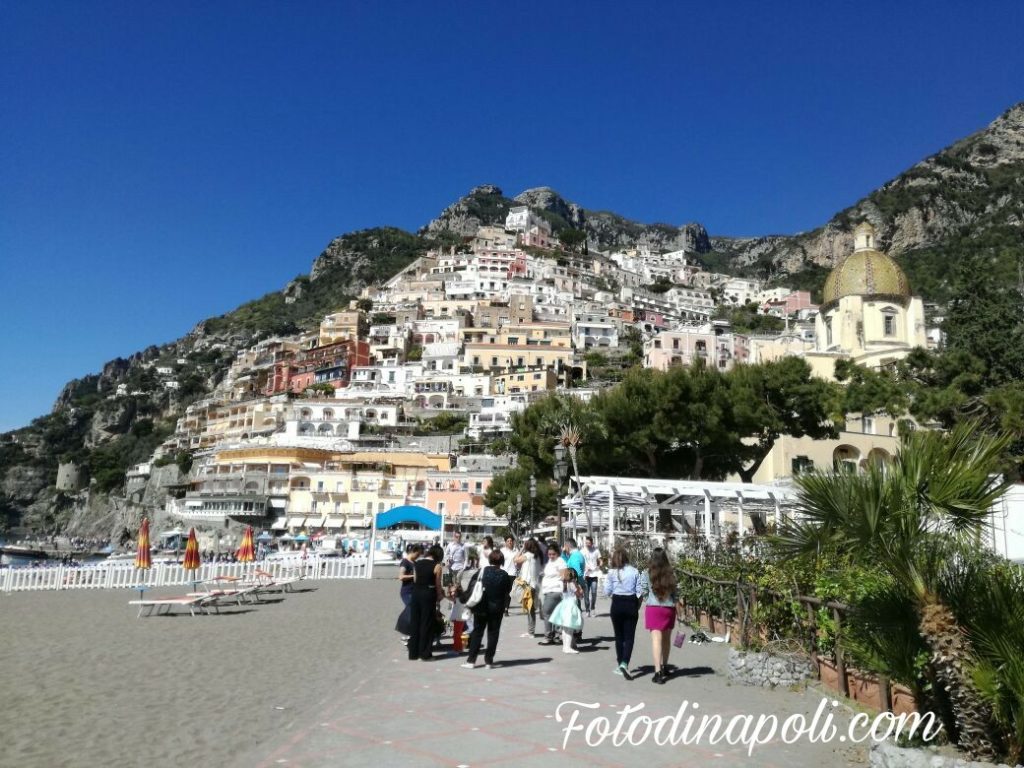
Marina Grande Positano: What the Fishermen See That You Don’t
Marina Grande Positano: What the Fishermen See That You Don’t
The boats are already back before most visitors have had breakfast. I’ve been at Marina Grande at 5:30am and the fishing boats — the working ones, not the rental ones — are already returning from the night’s work, low in the water or not, depending on what the sea gave. The men who handle them move with the specific economy of people who have done exactly this thing every morning for a long time and have no interest in doing it any faster or slower than necessary.
This is the version of Positano that exists before tourism covers it. It’s not hidden, exactly — it happens in full view on the most photographed beach in southern Italy. But it requires being there at an hour when almost nobody visits, which is its own kind of hidden.
The Fishing Families That Are Still Here
The economics of Amalfi Coast real estate have done what economics usually do to places that become famous: most people with roots here have moved to less expensive addresses. But some fishing families remain — working the same stretch of water their grandparents worked, landing at the same beach, repairing nets in the shade of the headland on the eastern end of the beach where the sun-lounger territory ends and the working part of the shore begins.
The boats at that eastern end are the ones that don’t get photographed. They’re not pretty in the Positano sense — they’re functional, scratched, painted in practical colours rather than decorative ones. They smell of salt and engine oil and fish. They are the actual material of the village’s history, and they’re pulled up thirty metres from the most Instagrammed location on the Italian coastline.
The Church of Santa Maria Assunta
The church with the majolica-tiled dome that appears in every photograph of Positano was, for most of its 800-year history, a fishermen’s church. The Madonna of the Assumption was the protector of people who went out in boats and might not come back. The Byzantine Black Madonna above the altar — said to have been carried here by a ship’s captain who heard a divine voice commanding him to stop — was an object of serious working devotion, not a tourist attraction.
It is still both things simultaneously. Weddings happen here constantly in summer. And on certain mornings, before the weddings begin, fishermen still come in with the same matter-of-factness with which they always have. Worth seeing if you can be there early enough.
Practical Notes 2026
Marina Grande beach: free public section at the far eastern end, past the last row of sun loungers. Sun loungers in the central section: approximately €18-22 per person per day. Water taxi to Fornillo beach (next cove): departs from the small pier, approximately €6-8 per person. Church of Santa Maria Assunta: open daily, entry free except during private ceremonies. Best time for the fishing boat scene: 5:30am to 7am. After 9am it’s a different place entirely.